Like guitar, piano has no finish line, so the honest answer depends on your goal. Here are realistic milestones for an adult beginner practising around 30 minutes on most days.
Realistic piano milestones
The first month
You know your way around the keyboard, play simple five-finger melodies with each hand and manage your first short pieces with both hands.
Around 3 months
You can play simple songs with a melody in the right hand and chords in the left, read easy music slowly, and play the C and G major scales.
Around 6 months
Your left hand moves more freely, you play in a few more keys and start using the sustain pedal.
Around a year
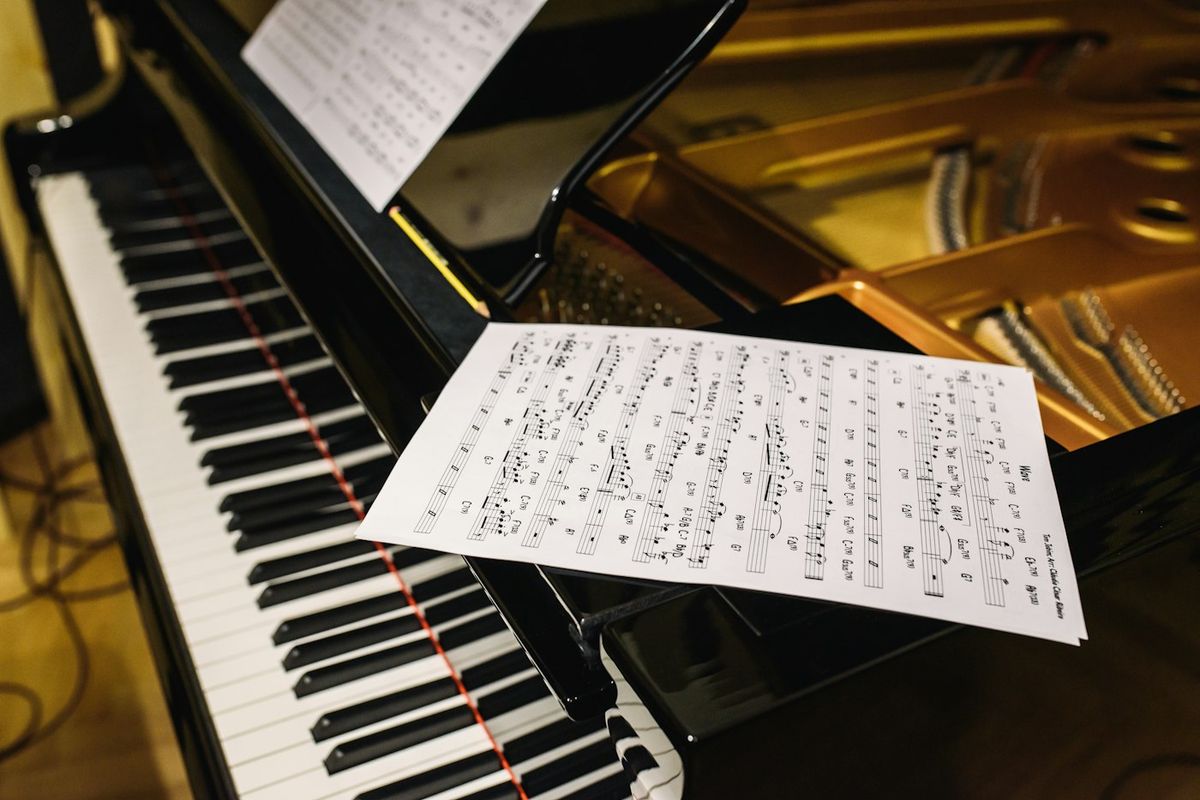
You play late-beginner pieces such as the Minuet in G from the Anna Magdalena notebook, read new easy music without much trouble, and can accompany pop songs from a chord sheet.
Two to three years
Intermediate pieces, such as Satie’s Gymnopédie No. 1, come within reach, along with more complex rhythms and faster passages.
What about graded exams?
With regular practice, many students take somewhere between six months and a year for each of the early grades, and longer for the higher ones. It varies a lot with age, practice and how much you already know. See how the exam boards differ.
Is 1 hour of piano a day enough?
Yes, more than enough for most adult learners. Beginners progress well with 20 to 30 focused minutes. If you have an hour, split it into two or three blocks with breaks: concentration fades, and short rests also protect your hands. What you do in the time matters far more than the number of minutes.
The 80/20 rule for piano practice
About 20 percent of your practice produces 80 percent of your progress. In a piece, that means spending most of your time on the hardest bars, slowly, rather than playing the easy parts again. Across your learning, it means reading, rhythm and scales: the fundamentals behind every piece you will ever play.
Is 40 too old to learn piano? What about 60?
No. People start piano in their 40s, 60s and later, and enjoy it for decades. Adults have real advantages: you choose to be there, you understand practice, and you know what music you love. Progress may feel slower at first than for a child, but adults often learn to read and understand music faster. Set goals that matter to you, like a favourite song, rather than comparing yourself with child prodigies.
What speeds it up
- Short practice on most days, rather than one long session a week.
- Reading music from the start.
- Slow, accurate practice with a metronome.
- Regular feedback, so problems are fixed before they become habits.
- Playing music you love.
Is piano faster to learn than guitar?
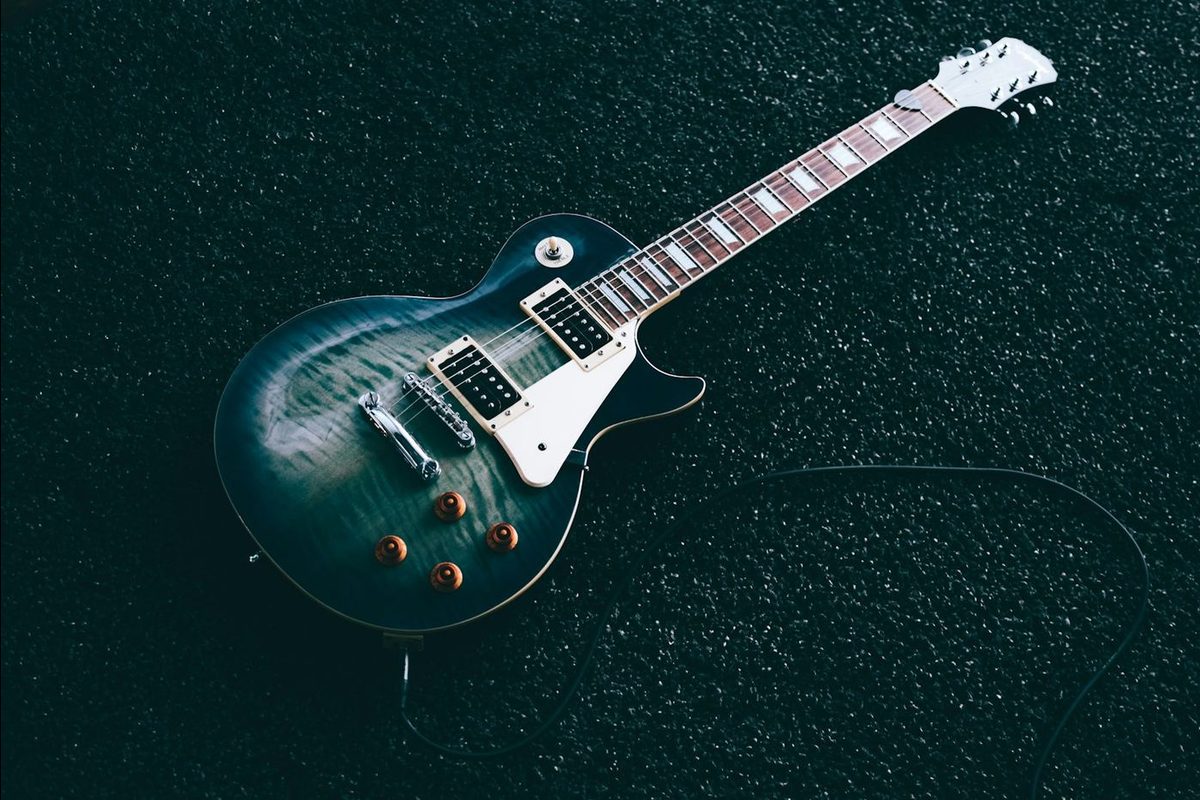
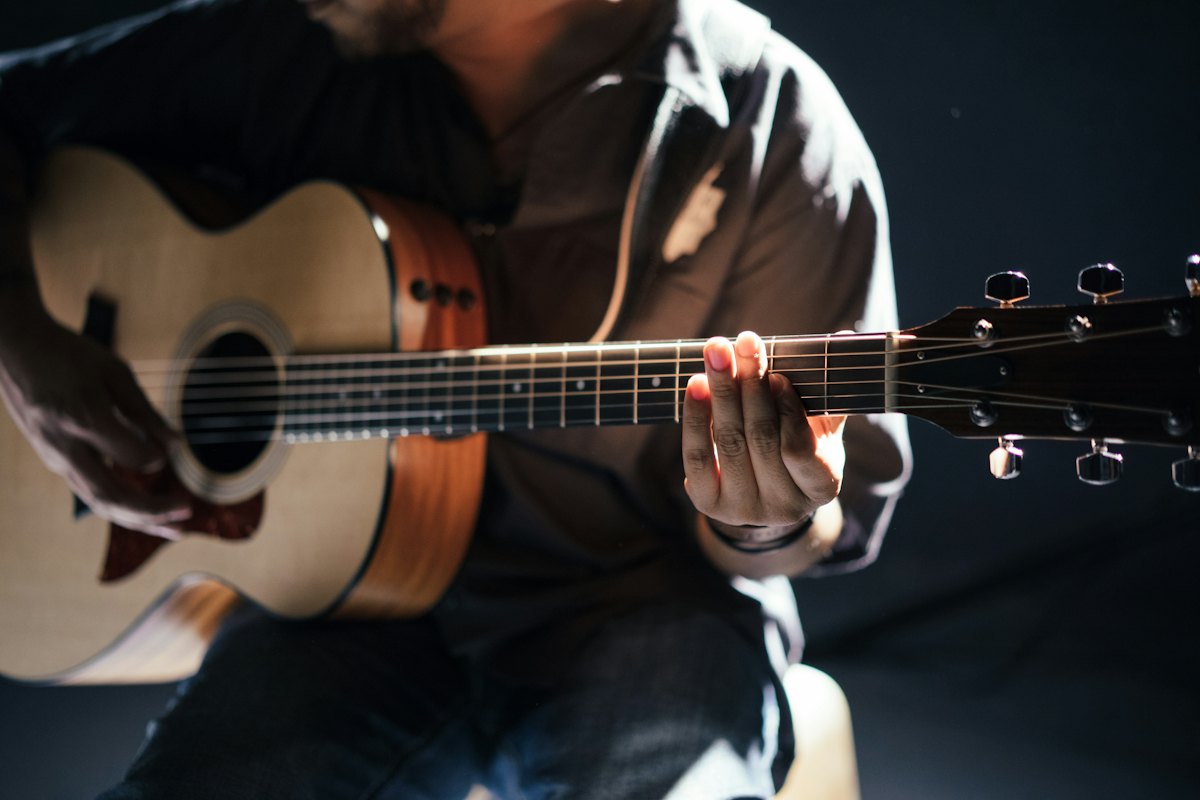
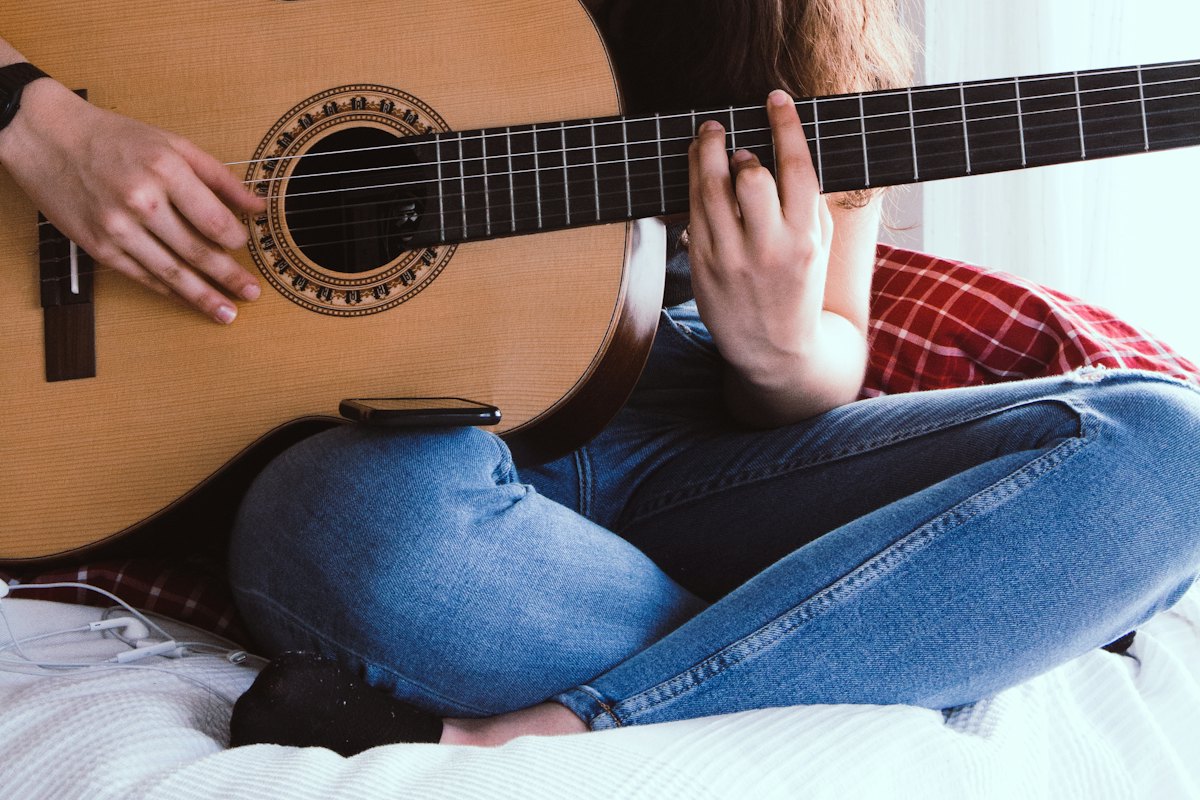
Piano is usually easier on day one: there are no sore fingertips, and notes are laid out in a line. Guitar is quicker for strumming songs. Over time, both take similar effort. See how long it takes to learn guitar and learning both together.
Want a plan built around your goal? Gaurav teaches piano lessons online and piano classes in Asansol for adults and children. Or start on your own with how to teach yourself piano.